

Two drivers can own identical vehicles and experience noticeably different fuel consumption, maintenance needs, and component wear. The difference often comes down to how they drive.
Acceleration patterns, braking frequency, travel speed, trip length, vehicle loading, and even the way accessories are used can influence operating efficiency. Understanding these relationships provides practical ways to reduce unnecessary mechanical stress while making everyday journeys more consistent.
Acceleration and the Energy Behind Movement
A vehicle requires energy to increase speed. The harder and more frequently it accelerates, the more energy it generally consumes.
Rapid acceleration can increase fuel use, particularly when it is followed by immediate braking. In heavy traffic, this pattern repeatedly converts engine energy into movement and then discards much of that energy through the braking system.
Smooth acceleration helps maintain a more consistent driving rhythm. It also reduces abrupt changes in mechanical load and may improve passenger comfort.
This does not mean acceleration should always be extremely slow. Drivers still need to merge, overtake, and respond to traffic conditions safely. The objective is to avoid unnecessary extremes rather than compromise appropriate vehicle control.
The Relationship Between Speed and Air Resistance
As a vehicle moves faster, aerodynamic resistance becomes increasingly important. Air resistance rises substantially with speed, meaning that relatively small increases in cruising speed can require significantly more power.
Vehicle shape, frontal area, wind conditions, and road conditions all influence aerodynamic drag.
Maintaining a steady and appropriate cruising speed can help reduce unnecessary energy consumption. Cruise control may support consistency on suitable roads, although it is not ideal for every situation, particularly on slippery surfaces or roads with frequent changes in elevation.
Keeping windows closed at higher speeds can also reduce aerodynamic drag, depending on vehicle design and operating conditions.
Tire Pressure and Rolling Resistance
Tires continuously deform as they rotate. This deformation creates rolling resistance, which requires energy to overcome.
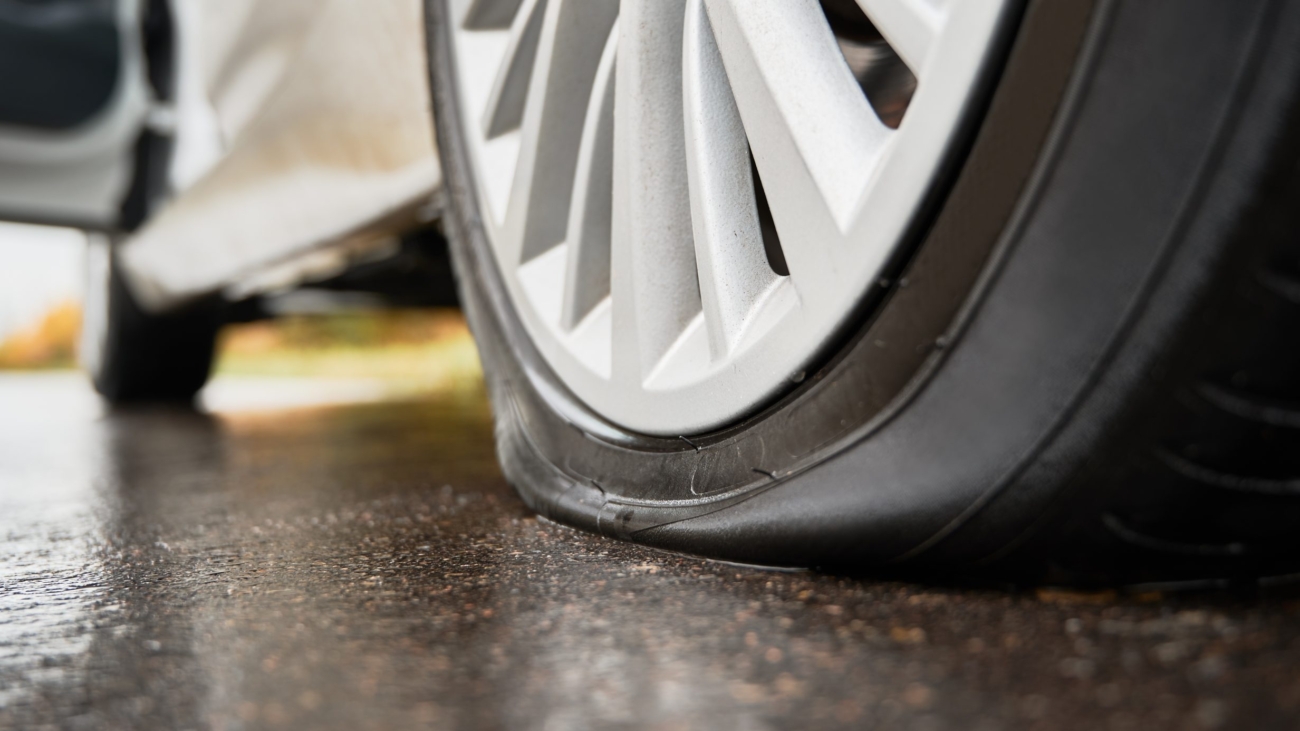
Incorrect inflation pressure can increase rolling resistance and affect handling. Underinflation also creates additional heat and may accelerate tire deterioration.
Regularly checking tire pressure is a simple way to maintain appropriate operating conditions. Pressure should follow the manufacturer’s specifications and be measured when tires are cold.
Wheel alignment and tire condition also matter. Damaged tires, unsuitable replacements, or incorrect alignment can contribute to unnecessary energy losses.
The Hidden Impact of Short Trips
Frequent short journeys can be demanding for conventional combustion engines. During cold starts, the engine and its fluids have not yet reached their normal operating temperatures.
Fuel enrichment strategies, increased friction during warm-up, and the operation of heating or defrosting systems may influence consumption during these trips.
Repeatedly shutting down an engine shortly after starting can also limit the opportunity for the charging system to restore the battery’s energy.
Combining several nearby errands into one practical route may reduce the number of cold starts and total distance traveled. However, trip planning should always account for actual travel needs rather than adding unnecessary journeys.
Weight, Accessories, and Maintenance
Unnecessary cargo increases the mass a vehicle must move. Removing unused heavy items can therefore support efficiency, particularly during frequent acceleration and uphill driving.
Roof racks and external cargo carriers can increase aerodynamic drag, especially at higher speeds. Removing them when they are not needed may reduce unnecessary resistance.
Mechanical condition also plays a role. Incorrect fluid levels, neglected maintenance, dragging brakes, or faulty engine sensors can affect performance and fuel consumption.
Unexpected increases in fuel use should not automatically be blamed on driving habits. Changes in weather, traffic, route selection, tire condition, and mechanical performance can all contribute.
Efficiency Without Sacrificing Safety
Efficient driving is not about chasing the lowest possible fuel consumption at any cost. It is about avoiding waste while maintaining safe distances, appropriate speeds, and predictable vehicle behavior.
Looking farther ahead, anticipating traffic flow, and reducing unnecessary braking can improve the smoothness of a journey.
Over time, small adjustments become habits. Those habits can influence fuel consumption, component wear, driving comfort, and the overall experience of vehicle ownership.